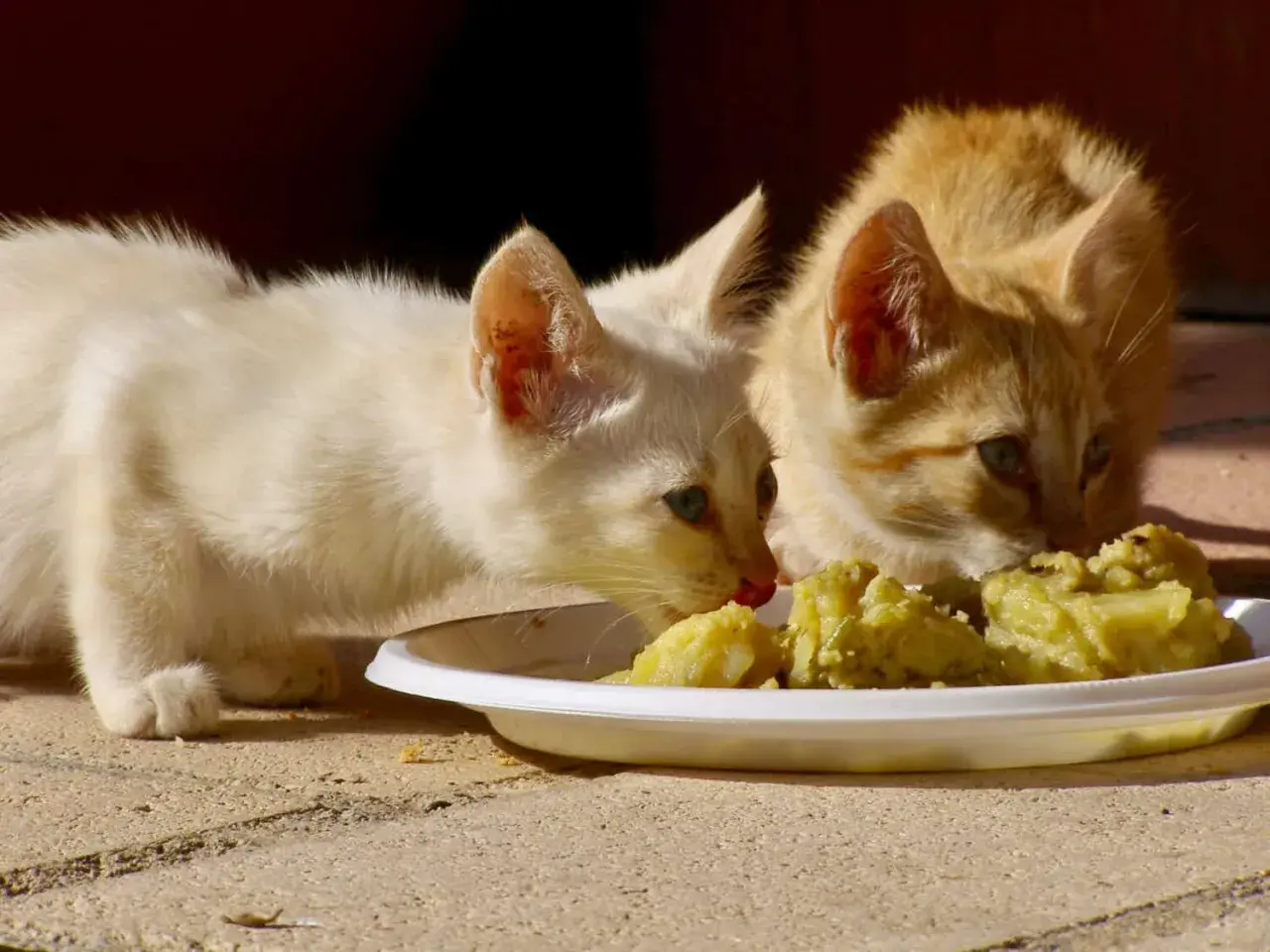
Potatoes are common in human meals, but they are not a natural cat food. Can cats eat potatoes, or should you keep them off the menu entirely? The short answer is that a tiny bite of plain, fully cooked, peeled potato is usually far less concerning than a fried or seasoned dish, but several forms are not safe at all. In this article I break down what matters most: the difference between safe and unsafe potato preparations, what symptoms to watch for, and which treats make more sense for cats.
The safe answer depends on preparation, portion size, and your cat's health
- Plain, fully cooked, peeled potato is the only version I would even consider offering, and only in a tiny amount.
- Raw potatoes, potato skins, green or sprouted potatoes, and potato plants are unsafe because they can contain solanine, a natural plant toxin.
- Fries, chips, and mashed potatoes with butter, salt, garlic, onion, or gravy are poor choices for cats and can make them sick.
- Cats do not need potatoes nutritionally; they are obligate carnivores and do better with meat-based foods and treats.
- Vomiting, diarrhea, drooling, weakness, wobbliness, or unusual lethargy after eating potato means you should call a vet.
The real answer about cats and potatoes
The practical answer is simple: plain cooked potato is not usually toxic in a tiny amount, but it is also not a food I would deliberately build into a cat's diet. If a cat steals a small piece of peeled, fully cooked potato, that is usually a different situation from eating raw potato, skin, or seasoned leftovers.
That distinction matters because the safety question is less about the vegetable itself and more about preparation. Once the potato is raw, green, sprouted, fried, or mixed with kitchen ingredients cats should avoid, the risk rises quickly. That is why I treat potato as an occasional accident, not a regular cat food choice, and that leads straight into the nutrition side of the issue.
Why potato is a poor everyday cat food choice
Cats are obligate carnivores, which means they are biologically built to get most of their nutrition from animal tissue. Potato is mostly starch, so it adds calories without offering the protein, taurine, and animal-based nutrients cats are designed to use. Taurine is an essential amino acid for cats, meaning they must get it from diet because their bodies cannot make enough on their own.
From a practical feeding standpoint, potato is mostly empty calories for a cat. That can matter more than people expect, especially for indoor cats that are already prone to weight gain or for cats with diabetes, pancreatitis, or a sensitive stomach. A food does not have to be poisonous to be a bad fit, and this is one of those cases where the difference matters. The next question is where the line gets crossed from "not useful" to genuinely unsafe.
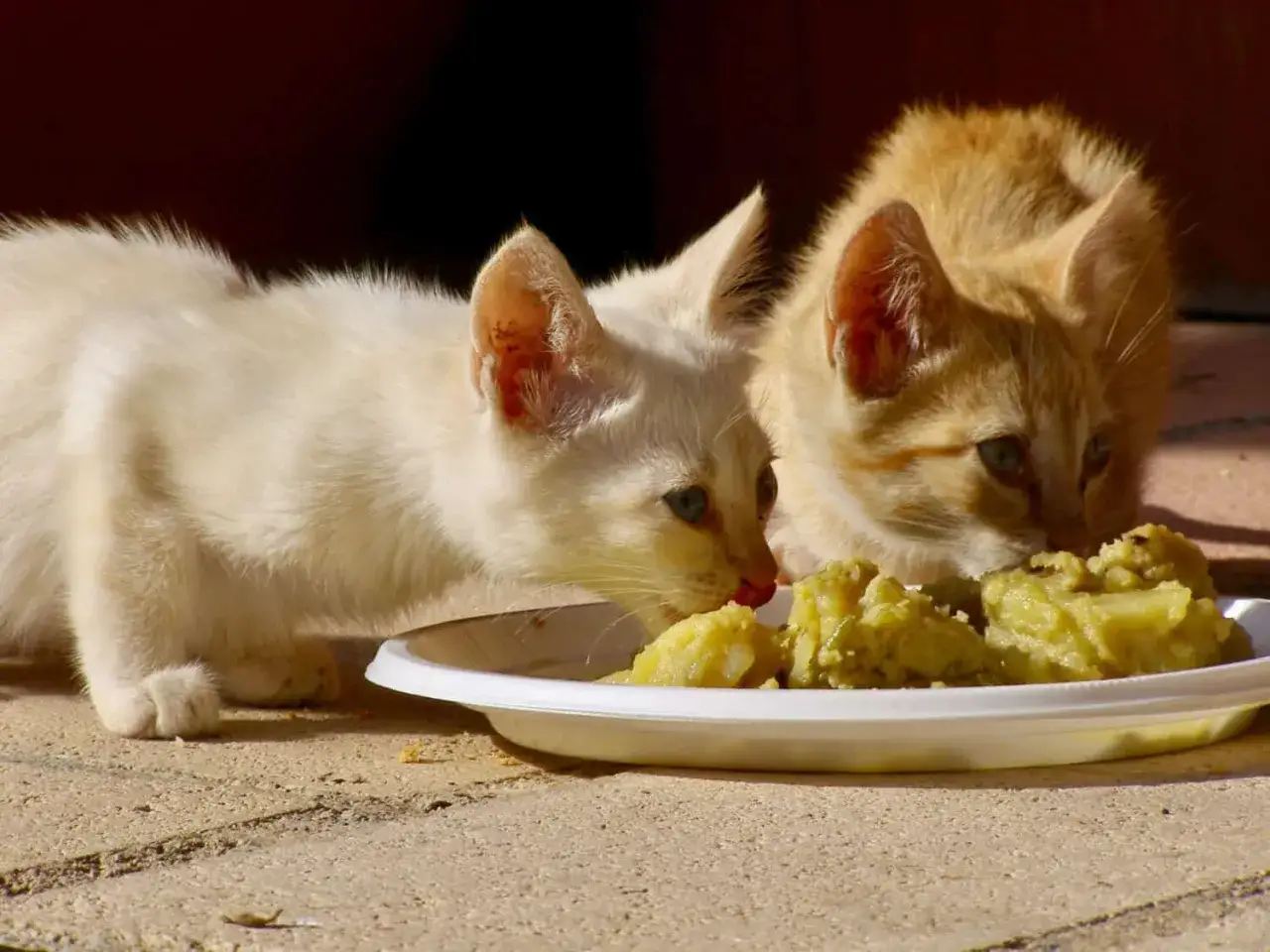
The potato forms I would keep away from cats
The biggest concern with potatoes is solanine, a natural plant toxin found in potato plants and in parts of the tuber that are green, sprouting, or otherwise damaged. In cats, the risk is not just chemical; some potato preparations are also too salty, too fatty, or mixed with ingredients that are hard on feline digestion.
| Potato form | Main concern | My verdict |
|---|---|---|
| Raw potato | Solanine risk and poor digestibility | Avoid completely |
| Green potato or sprouted potato | Higher toxin risk, especially in damaged areas | Avoid completely |
| Potato skin | More likely to carry toxin, harder to digest | Avoid completely |
| French fries or chips | Fat, salt, and often seasoning | Do not feed |
| Mashed potatoes with butter, milk, gravy, garlic, or onion | High fat and possible onion or garlic exposure | Do not feed |
| Potato plant, stems, leaves, and vines | Plant material can be toxic | Keep away from cats |
| Peeled, fully cooked potato flesh | Lowest risk, but still nutritionally weak for cats | Only a tiny taste, if at all |
The line I use is straightforward: if the potato is green, sprouting, still attached to the plant, or dressed up like human food, I do not consider it cat-safe. That leads to the more useful question for many owners: what should you do if your cat already ate some?
What to do if your cat already ate some
If your cat took a tiny bite of plain, fully cooked potato and seems normal, I would monitor them for the next 24 to 48 hours. The main thing to watch for is an upset stomach, because even a safe food can still sit badly with some cats. If the potato was raw, green, seasoned, fried, or part of the plant, I would call your veterinarian or a pet poison service sooner rather than later.
I would also avoid home remedies unless a vet tells you otherwise. Do not induce vomiting on your own, because that can create more problems than it solves. Instead, watch for these warning signs:
- Vomiting or repeated retching
- Diarrhea or visible abdominal discomfort
- Drooling or loss of appetite
- Lethargy, weakness, or unusual quiet behavior
- Wobbliness, tremors, or trouble walking
- Seizures, collapse, or trouble breathing
Kittens, seniors, and cats with diabetes or chronic illness deserve a lower threshold for calling the vet, even if the amount was small. I prefer to be cautious here, because a cat that looks fine at first can still develop digestive signs later, and that is easier to handle if you know what to watch for. If you want to avoid the problem entirely, the best move is to offer a better treat in the first place.
What I would offer instead
If the goal is to share a little food with your cat, potato is a weak choice. I would rather give something that matches a carnivore's needs and is easier on the stomach. In my view, the safest human-food-style treats are simple, protein-based, and free of salt, seasoning, and sauces.
- Plain cooked chicken or turkey, shredded into very small pieces
- Freeze-dried meat treats made for cats
- Complete and balanced commercial cat treats made for feline nutrition
- A spoonful of your cat's regular wet food if you want a soft, rewarding snack
If your cat is on a prescription diet, I would not add extras without checking with the vet first. The point of a treat is not to replace the diet you carefully chose, but to fit into it without creating a nutrition mismatch. That is why the simplest household rule is often the one that works best.
The kitchen rule I use when potato is on the counter
I keep raw potatoes, peels, sprouts, and potato plants out of reach, and I do not leave fries or mashed potatoes where a cat can sample them. If a guest wants to "share" from the table, I point them toward a cat treat instead of whatever is on my plate. That one habit removes most of the risk without making feeding feel complicated.
My rule is easy to remember: potato is for people, protein is for cats. A tiny bite of plain cooked potato is usually not an emergency, but it also does nothing useful for your cat's diet. When I have a choice, I skip the potato and reach for something that actually supports feline health.