Ripe papaya flesh is usually fine for dogs when the portion stays small
- Fresh, ripe papaya flesh is generally safe as an occasional treat for most dogs.
- Skin and seeds should be removed because they are hard to digest and create unnecessary risk.
- Portion size matters more than the fruit itself; too much papaya can trigger loose stool or vomiting.
- Dogs with diabetes, chronic stomach issues, or strict diets may need a different snack.
- Plain, bite-size pieces are better than juice, dried fruit, or anything sweetened.
- Any signs of choking, bloating, or repeated vomiting deserve a call to your vet right away.
Why papaya can work as an occasional treat
I do not treat ripe papaya flesh as a toxic food for dogs. In small amounts, it is mostly a light fruit snack with water, fiber, and a modest amount of vitamins, so it can fit into a balanced diet without much drama. What makes it appealing is not that it is a miracle food, but that it is easy to serve in tiny pieces and usually pretty gentle when you keep the portion under control.
The part I would not overhype is the digestive enzyme papain. People often talk about papaya as if it solves digestion problems, but for dogs I see it as a pleasant extra, not a health fix. If your dog already eats a complete and balanced diet, papaya is best treated like a treat, not a supplement or a substitute for proper nutrition.
The real decision point is whether the fruit suits your dog’s stomach and calorie needs. That is why I care more about the way it is served than about the fruit label itself. Once that is clear, the next step is making the snack safe to eat.
How I prepare papaya so it stays dog friendly
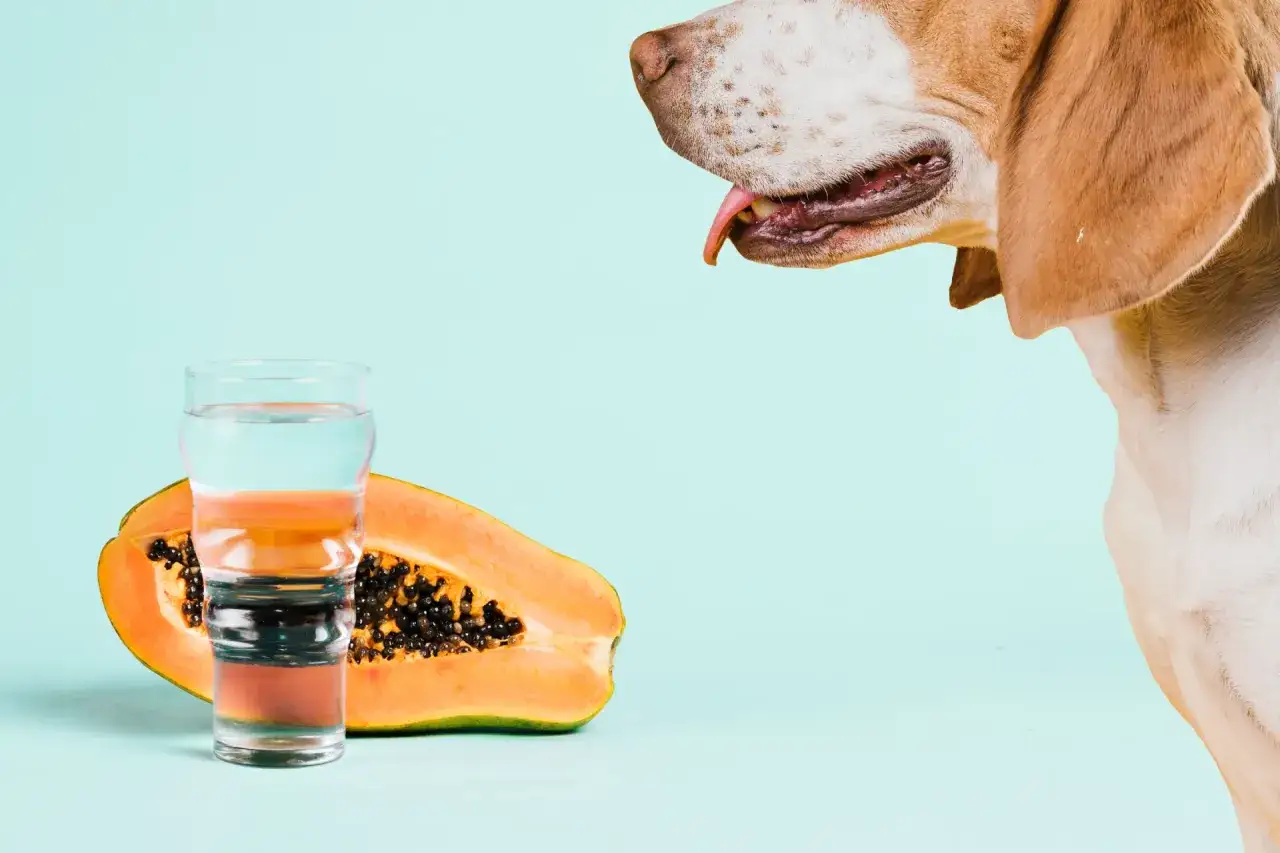
I start with a ripe papaya that smells sweet and gives slightly when pressed. Then I peel it, remove every seed, and cut the flesh into bite-size cubes before offering anything to a dog. If the fruit is hard, bland, or under-ripe, I leave it on the counter a little longer.
| Papaya part or form | My take | Why |
|---|---|---|
| Ripe flesh | Okay in small amounts | Plain fruit is the only part I would actually serve as a treat. |
| Skin | Avoid | It is tough, fibrous, and not worth the digestive hassle. |
| Seeds | Avoid completely | They are hard to digest and can create choking or gut irritation risks. |
| Canned papaya | Usually skip | It is often packed in syrup or paired with added sugar. |
| Dried papaya | Usually skip | It is easy to overfeed and often much sweeter than fresh fruit. |
| Papaya juice or smoothies | Not my first choice | They are too easy to overpour and often contain added sugar or other ingredients. |
That small bit of prep matters because most problems come from the wrong part of the fruit, not from the fruit itself. Once the skin and seeds are out of the picture, portion size becomes the main thing to manage. From there, I look at how much is actually reasonable for the dog in front of me.
How much is too much
A practical rule I follow is to keep treats under 10% of a dog’s daily calories, and I usually aim closer to 5% when I am trying a new food. A cup of raw papaya has roughly 55 to 62 calories, so the number climbs faster than people expect if you keep handing out “just one more” piece. For a small dog, even a few extra bites can be enough to upset the stomach.| Dog size | Starter amount | My note |
|---|---|---|
| Toy or small dog | 1 to 2 tiny cubes, about 1 teaspoon total | Start here and wait before offering more. |
| Medium dog | 2 to 4 small cubes, about 1 tablespoon | Usually enough for a treat without crowding the diet. |
| Large dog | 4 to 6 cubes, up to about 1/4 cup | Still keep it occasional, especially if the dog is sensitive. |
If your dog has a delicate stomach, I would cut those amounts in half the first time. I also prefer to introduce fruit on a quiet day, not right before travel, training, or any other situation where a loose stool would be annoying. That keeps the test simple and makes it easier to see how your dog actually responds.
When I would skip papaya completely
Fruit is not a good fit for every dog. I would be cautious if your dog has diabetes, is working on weight loss, has frequent diarrhea, has a history of pancreatitis, or is on a prescription diet where every extra bite matters. In those cases, the question is not whether papaya is tasty, but whether it fits the bigger nutrition plan.
- Diabetes or prediabetes, because fruit sugar can complicate blood sugar management.
- Chronic digestive trouble, because extra fiber can make loose stool worse.
- Weight-control plans, because even healthy treats still count as calories.
- Food sensitivities, because adding new foods can muddy the picture if symptoms flare up.
- Prescribed veterinary diets, because the snack may work against the reason that diet was chosen.
I also would not use papaya as a home fix for an upset stomach. If the gut is already irritated, more fruit is not automatically helpful. The next question is what to do if the fruit is already gone and your dog is acting off.
What to watch for after a bad papaya snack
Most dogs who eat a few plain cubes are fine. The bigger concern is a large serving, the skin, or the seeds. I watch for vomiting, diarrhea, bloating, drooling, pawing at the mouth, repeated swallowing, abdominal pain, coughing, or a dog that suddenly cannot settle down.
- Mild upset after a few extra bites: pause treats, offer water, and monitor closely for the next 12 to 24 hours.
- Seeds or skin were eaten: call your vet if symptoms start, especially vomiting, abdominal discomfort, or constipation.
- Choking, trouble breathing, a swollen belly, or repeated unproductive retching: treat it as urgent and seek help immediately.
- Do not induce vomiting unless a veterinarian tells you to do that.
If you are unsure how much was eaten, call your vet or ASPCA Poison Control and have the amount and time ready. That kind of detail speeds up advice and keeps you from guessing. If papaya does not look like the right fit, there are easier fruit treats to reach for instead.
Better fruit options when papaya is not the best fit
When I want a simpler backup treat, I usually choose fruit that is easy to portion and unlikely to create a mess. I like snacks that are plain, low-effort, and predictable, because that makes it easier to stay inside the treat limit without thinking too hard about it.
| Fruit | Why I like it | Watch-out |
|---|---|---|
| Blueberries | Easy to count and typically light on the stomach | Too many can still cause soft stool. |
| Apple slices | Crunchy and simple when the core and seeds are removed | Never serve the core or seeds. |
| Banana | Soft, familiar, and easy to mash into tiny rewards | It is sweeter than it looks, so keep portions small. |
| Cantaloupe | Hydrating and easy to cube | Remove rind and seeds before serving. |
| Watermelon | Refreshing in warm weather and simple to slice | Skip the rind and seeds, and keep it plain. |
Blueberries are the fruit I reach for most often when I want something tidy and easy to manage. They are not magic either, but they are convenient, which matters more than people admit. Convenience usually determines whether a good treat stays a good habit.
What matters most before you share the next bite
My rule is simple: ripe flesh only, no seeds, no skin, and a very small portion. If your dog is healthy and the snack stays inside the 10% treat rule, papaya can be a perfectly reasonable occasional treat. If your dog has a sensitive digestive system or a medical diet, I would choose a different snack and keep fruit as an occasional extra.That approach keeps papaya in its proper place. It is a pleasant bite, not a nutritional strategy, and it should never crowd out the food your dog actually needs. When I introduce any new treat, I start small, watch for a full day, and only then decide whether it deserves a repeat.